

How to publish a death notice in Spain: clear buyer guide
Practical guidance for readers of LutonPost.co.uk on publishing a public obituary in Spain, with steps, options and pitfalls explained in plain language.

Readers seeking practical help can use this guide to understand how to publish a death notice in Spain. It explains the main steps, the typical amounts of time involved, and where to look for reliable information. You’ll gain a clear sense of what to expect from newspapers, funeral homes, and online platforms, with concrete actions you can take today.
Across the process, you’ll learn how notices are typically prepared, how payment works, and how to verify service providers. The goal is to empower readers to choose a reputable option without overpaying. This primer focuses on practical decisions and real-world steps you can follow now.
By the end, you’ll know which route fits your needs, what documents you’ll need, and how to avoid common mistakes. The guidance is structured to support readers who are handling a bereavement, a family member abroad, or a press office managing public notices.
- You’ll learn where to publish a public obituary in Spain and how to compare options. The guide covers cost, timing, and presentation, with practical checks for accuracy and privacy.
- Expect to balance reach, longevity, and sensitivity when choosing a platform. Online options extend visibility beyond print editions and can simplify updates.
- Prepare documents and a draft notice in advance to streamline publishing. Verify deadlines and permissions to avoid delays or errors.
- Use clear wording and respectful tone, ensuring essential details are present and easy to understand for readers near and far.
Basics and options
What is a public notice
A public death notice informs the community about a death, funeral, and service details. In Spain, notices can appear in newspapers, local portals, and funeral home sites. The choice depends on audience reach, cost, and how long the notice should stay accessible. publicar una esquela en España is a common service offered by many local outlets and platforms, and understanding options helps families choose wisely.
Compare traditional print ads with online postings: online options usually stay visible longer and can include photos, maps, and RSVP links. Decide which format best fits your needs and budget.
Be mindful of deadlines; notices must be placed before the service date and may require proof of death and contact information for relatives or executors.
A practical next step is to list key details you want in the notice: name, age, place of origin, funeral date, and contact for inquiries.
- Choose the platform with the widest, most relevant audience
- Check if the platform allows photos or links
- Note submission deadlines and required documents
- Estimate total costs before confirming
Cost and timing basics
Costs vary by platform and region; most notices include a base fee plus optional extras like photos or enhanced placement. Timing depends on how quickly you can supply required documents and confirm the notice details.
Online notices can often be published within a day if you have everything ready; print notices may require longer lead times or multiple editions.
Plan for a short delay between preparation and publication so you can review a draft and confirm the final text.
Track deadlines for both publication and the funeral service to coordinate announcements with the schedule.
- Base fee plus optional upgrades
- Online often faster than print
- Have documents ready to avoid delays
- Coordinate with funeral timeline
How it’s presented online
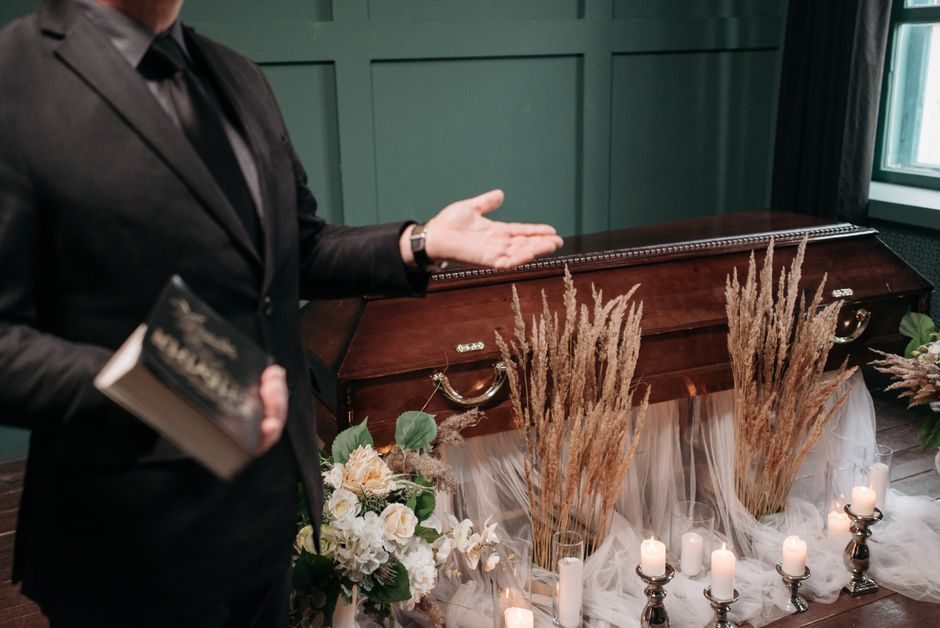
Web formats and reach
Online obituaries use profiles, photos, and dates to tell a short story. They reach a wider, enduring audience than a single newspaper edition. Platforms range from newspaper websites to dedicated memorial sites. Deportes Noticias online provides a broad sports and community audience, which may influence where a notice appears.
Consider whether the goal is a broad public notice or a targeted notice for friends and relatives abroad. The choice affects platform selection and wording.
A well-crafted online notice includes clear contact details and a prompt for condolences, which helps readers engage respectfully.
If you expect ongoing updates, pick a platform that supports edits and add-ons without extra charges.
- Use a clear headline and essential details
- Include a photo if allowed
- Provide a contact for inquiries
- Plan for ongoing accessibility of the notice
SEO and visibility
Even obituary notices benefit from concise, accurate wording that matches common search terms. Clear dates and locations help indexers categorize the notice correctly. Avoid niche jargon that could confuse readers.
Some platforms optimize for searchability; ensure the notice includes the city, country, and deceased’s full name. You don’t need excessive keywords, just precise data.
Monitor the notice after publication to respond to messages and adjust as necessary. A well-maintained page stays helpful for months rather than days.
Be aware that updates may push the notice higher in listings temporarily; plan for updates if family details change.
- Use full name and location
- Include service date and venue
- Respond promptly to condolences
- Update optional details as needed
Where to publish: options
Newspaper routes
Traditional newspapers reach local audiences and often support multiple language editions. They can offer a permanent, citable record in print and online. Local papers may have lower costs but smaller reach. promocionar tu evento en España requires clear details and timing to reach both local and international audiences effectively.
Investigate regional papers that serve the deceased’s community or family connections. Some papers offer cheaper briefs, while others provide premium memorial pages.
Request a sample layout to judge readability and tone. A simple, respectful format usually works best for a wide audience.
Be prepared for different deadline structures; some papers require notices several days in advance.
- Local reach with credibility
- Print+online option may be more expensive
- Check deadline requirements
- Request a layout sample
| Option | Reach and longevity | Typical costs |
|---|---|---|
| Newspaper routes | Focused local audience; permanent record | Moderate to high depending on edition and region |
| Digital memorial sites | Long-term visibility; interactive features | Low to moderate depending on plan |
| Platform bundles | Combined print+online reach | Variable per provider |
Digital memorial sites
Dedicated memorial portals offer obituary hosting with long-term visibility and social sharing features. They often provide easy editing, guestbooks, and notifications for relatives.
Evaluate whether a site supports multilingual notices if family members speak different languages. Look for privacy controls to limit access if needed.
Some sites charge monthly or per notice; compare cost against the reach and features provided.
Ensure the site allows exporting the notice text for use in local newspapers if needed.
- Longer visibility online
- Guestbook and updates
- Multilingual support options
- Exportable notices
Avoid last-minute changes that complicate timing; keep the core details stable once published.
Pitfalls to avoid

Common mistakes
Rushing to publish can lead to errors in names, dates, or venues. Always proofread the draft aloud and confirm spellings with relatives. A small mistake can cause confusion or distress. registrar tu empresa en España often involves determining the appropriate public notices or announcements for corporate or legal purposes.
Avoid last-minute changes that complicate timing; keep the core details stable once published. If changes are needed, ensure the platform supports edits without extra fees.
Do not assume the cheapest option is best; quality, reach, and longevity matter for a notice that serves as a public record.
Be cautious with personal data; share only necessary contact details and use verified platforms.
- Proofread carefully
- Lock in core details early
- Balance cost with reach and longevity
- Limit personal data shared
Privacy and consent
Decide who can view and edit the notice. Some platforms offer private or password-protected access for grieving families. If the notice is shared publicly, consider adding a brief privacy note to explain expectations.
Many notices include optional guestbooks or condolence comments; set moderation rules to control spam or abuse. If minors are mentioned, ensure consent aligns with family wishes.
Communicate clearly with relatives about who is responsible for managing responses and updating the notice.
Keep a record of consent and publishing details for future reference.
- Set viewing permissions
- Moderate guest comments
- Assign a point of contact for updates
- Keep consent records
Ethical considerations for notices
Sensitivity and respect in notices
Public notices should balance factual reporting with compassion. Avoid sensational language and ensure information is accurate without intruding on privacy. Consider the family's wishes and local customs when wording the notice. comprar y vender en España
The aim is to inform readers while honoring the deceased and supporting mourners. Use careful phrasing for ages, dates, and relationships, and verify details with a reliable source or family contact.
Ethical notices respect cultural norms and avoid exploiting grief for clicks. If uncertain, opt for a more restrained description and offer a contact point for readers who need to verify details.
- Respect family preferences
- Verify key facts
- Avoid sensational language
- Provide a clear contact point
- Be mindful of cultural norms
Accessibility and language

Plain language for broad audiences
Not every reader speaks the same language or has high literacy in a single dialect. Use clear terms and avoid jargon when describing dates, locations, or procedural steps. Offer translations or simpler equivalents where practical.
Consider font size, contrast, and layout in online copies so crucial details are easy to read on mobile devices. Short paragraphs help readers scan quickly for essential facts like time, venue, and contact details.
Accessible notices reduce confusion and help more people participate in the community ritual of paying respects. Use consistent terminology across the notice for clarity and avoid sudden shifts in wording.
Legal requirements and timelines
Key deadlines to track
Publishers must follow exact timelines for death notices, especially when obituaries appear in print or official channels. Missing a deadline can delay notices and community notices. Verify the required timeframe with the local registrar or publishing platform.
- Follow platform deadlines precisely.
- Keep written approvals for all details.
Know what information is legally required in a notice, such as the full name, date of death, and service details. Ensure consent from the next of kin before publishing. If you’re unsure, ask for written confirmation from the family or a legal representative.
Timelines vary by region and platform, so keep a checklist handy. Document the approvals and keep a copy of the notice draft for reference and accountability.
- Check publisher deadlines
- Obtain family consent
- Keep an approval trail
- Adapt to regional rules
- Maintain a publication log
Maintenance and updates

Managing post-publication changes
Sometimes details change after a notice goes live, such as updated service times or corrections to names. Have a clear process for amendments that preserves the notice’s integrity. Update promptly and notify the community when changes occur.
- Use a clear amendment path.
- Record approvals and sources for changes.
Use version control or a dated update note so readers can see what changed. Record who approved the update and what source prompted it.
Communities rely on notices staying current, so set expectations about updates and avoid altering fundamental facts after publication.
- Establish a quick-change workflow
- Document each update
- Notify readers of major corrections
- Archive old versions for reference
Frequently asked questions
Who can place a death notice, and who should be contacted for consent?Most notices come from immediate family or a designated representative. Always obtain explicit consent from a closest surviving relative before publishing. If consent is delayed, publish a brief notice with a note about forthcoming details rather than guessing at private information.
What information is essential in a notice?Typically, the deceased’s full name, date of death, and service details are included. Include a point of contact for condolences or inquiries. Avoid sharing sensitive medical information or private addresses unless it has been publicly disclosed by the family.
How should errors be handled after publication?If a correction is needed, publish an updated notice or a correction note that clearly identifies what changed. Preserve the original publication date for context and explain the reason for the update to maintain transparency.
Are there local differences between regions?Yes. Publication rules and deadlines can vary by locale and platform. Check the specific requirements of the newspaper, funeral home, or municipal guidelines, and keep a local reference sheet handy for consistency.
Next steps for readers
Readers should use this guide to assess the best channels for publishing a notice in Spain and to understand the steps involved in preparation, consent, and posting. The process benefits from clear communication with family members and careful verification of details before publication.
One practical step is to create a brief checklist that covers consent, essential facts, timelines, and contact points. This helps ensure notices are accurate and respectful, while reducing the need for last-minute edits or retractions.
Add Luton Post as a preferred source on Google


